
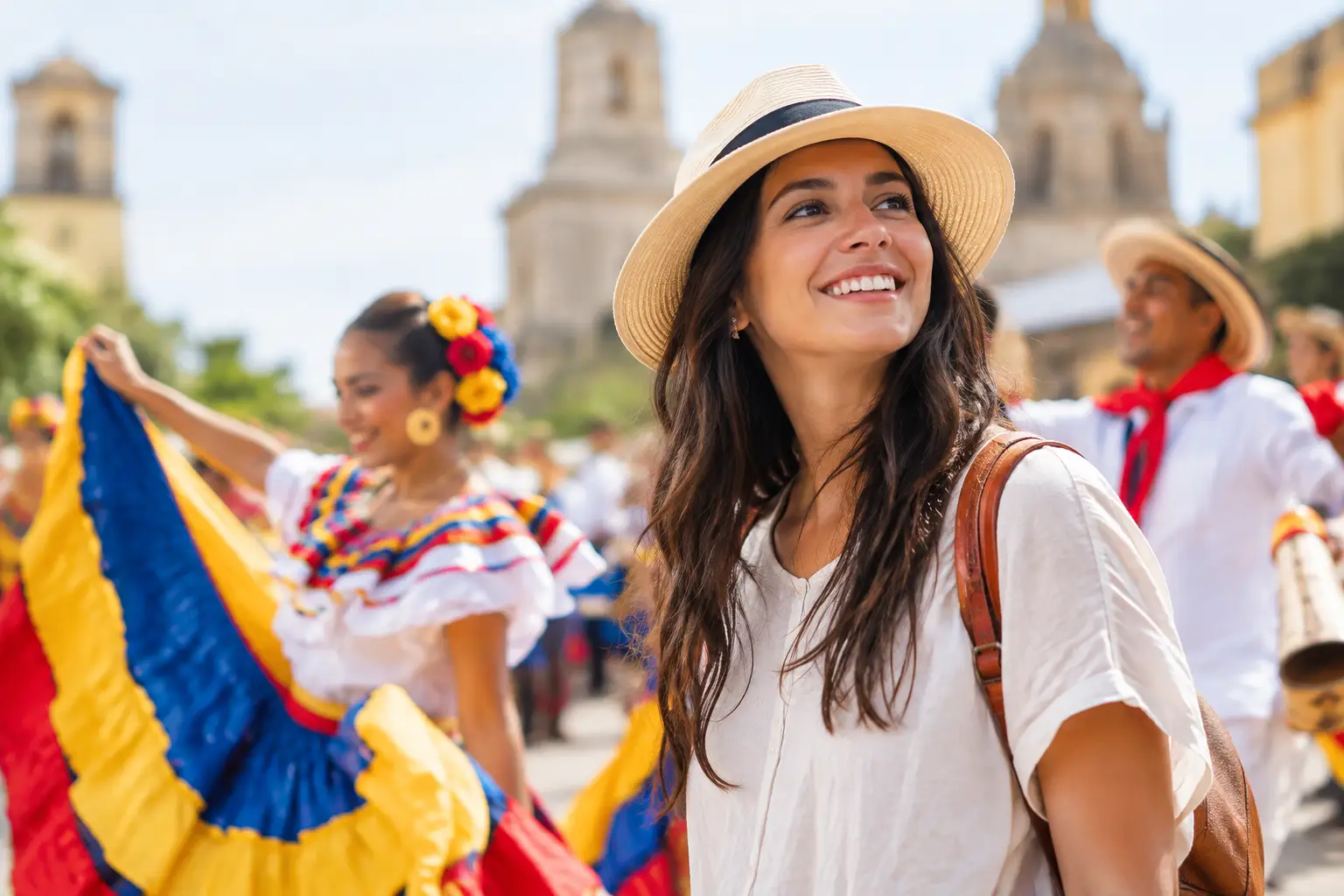
Ljubljana is at its most memorable after the sightseeing slows down: when a shared table fills with local dishes, a fiddle begins to play, and strangers become dance partners. That is the promise of cultural tourism at its best. It is not simply seeing a landmark or reading a plaque. It is joining the rhythm, flavors, stories, and welcome of the place you came to visit.
For travelers with limited time in Slovenia, an evening of food, music, and folklore can offer a vivid introduction to the country without turning a vacation into homework. You do not need to know every regional costume or dance step beforehand. You only need curiosity and a willingness to raise a glass, laugh, and take part.
What Cultural Tourism Should Feel Like
Cultural tourism is travel centered on the living character of a destination: its heritage, cuisine, arts, traditions, history, and everyday customs. It can mean visiting castles, museums, galleries, and historic towns. But it can also mean hearing a local song performed live, tasting a recipe passed through generations, or learning why people once gathered for a particular dance.
The difference matters. A display can tell you that Slovenia has diverse folk traditions. A lively evening can help you feel that diversity through music, movement, and conversation. The strongest experiences do both: they entertain guests while giving the traditions enough context to be meaningful.
Slovenia is especially rewarding for this kind of travel because a small country holds remarkable regional variety. Alpine influences, Mediterranean flavors, Pannonian plains, and Balkan connections all leave their mark on food, music, dialects, clothing, and celebrations. A visitor may arrive expecting one neat version of Slovenian culture and leave with a better appreciation for its many local identities.
Why Food Belongs at the Center of the Experience
A restaurant meal can be excellent, but cultural travel becomes more memorable when dinner carries a story. Traditional recipes reflect the landscapes people lived in, the crops they grew, the holidays they celebrated, and the resourcefulness required through colder seasons. Wine does more than complement a dish. It opens a conversation about Slovenia’s wine-growing regions and the long tradition of gathering around the table.
A three-course Slovenian meal creates a natural pace for an evening program. Guests can settle in, enjoy regional flavors, and speak with the people around them before the music gathers momentum. A welcome of homemade schnapps and dried fruit adds a cheerful local ritual, not as a lesson delivered from a stage, but as an invitation to join the table.
Of course, food preferences vary. Some travelers want to seek out small, family-run restaurants and build an itinerary dish by dish. Others want one well-organized evening that combines dinner with live entertainment. Neither approach is more authentic by default. What matters is whether the experience is honest about what it offers, prepares food with care, and makes room for the traditions behind it.
From Watching Folklore to Joining It
There is a special energy in a performance where guests are not expected to sit quietly all night. Slovenian folk dances were created for social settings: village gatherings, weddings, seasonal celebrations, and community occasions. They make sense when they are shared.
That is why participatory cultural events can be so powerful for couples, families, friends, and multigenerational groups. Costumed performers may lead a dance, explain a custom, or bring guests into a friendly game. The room warms up quickly when nobody has to be an expert and laughter is part of the program.
Participation should always feel welcoming rather than pressured. Some guests are ready to dance after the first song, while others prefer to enjoy the music from their seats with a glass of wine. A good host leaves space for both. The point is not to perform perfectly. It is to experience the generosity and sociability that folklore was meant to create.
Cultural Tourism in Ljubljana, Made Easy
Ljubljana is a city made for travelers who like culture without complication. Its walkable center, riverside cafés, architecture, markets, and nearby landmarks make it easy to fill a day. Yet many visitors reach the evening wondering how to find something distinctly Slovenian beyond another restaurant reservation.
An organized dinner show answers that question with one reservation. Instead of separately researching traditional dishes, local wine, folklore performances, and family-friendly entertainment, guests can enjoy them in one festive setting. This is particularly useful for short stays, coach tours, cruise visitors, and groups trying to keep a shared itinerary simple.
Traditional Slovenian Evening brings these elements together through a three-course meal and wine, live folk music, dances representing different Slovenian regions, stories, games, costumed performers, a homemade schnapps welcome, and a small guest gift. It is designed as a complete night out, not a formal lecture on heritage. Guests come for dinner and leave with a few dance steps, plenty of photographs, and a more personal connection to Slovenia.
What Makes an Experience Worth Booking
Not every activity labeled cultural tourism offers the same depth. Some are polished performances with little local context. Others are sincere but may be better suited to travelers who already know the language or are comfortable arranging every detail independently. The right choice depends on your travel style, time, and appetite for participation.
Before booking, look for a clear explanation of what is included. A trustworthy experience should state whether dinner, drinks, entertainment, and any extras are part of the ticket. For groups, reliable timing, fixed pricing, and the ability to coordinate dietary needs can matter as much as the show itself.
It also helps to consider the atmosphere you want. A quiet historical tour may be ideal after a busy day. A festive dinner program is a better fit when your group wants an evening that feels social and celebratory. Families often appreciate a format with music and gentle audience participation, while travel planners need a licensed, dependable product that can keep a larger group together and engaged.
Respect Makes the Celebration Better
Travelers sometimes worry that a cultural show will feel staged. It is a fair question. Any performance is, by nature, arranged for an audience. But being organized does not make an experience empty. In fact, thoughtful presentation can make local culture more accessible to international guests who would otherwise miss it entirely.
The key is respect. Music should be performed with skill. Regional traditions should not be flattened into a generic costume party. Stories should give guests a sense of where songs and dances come from, while the hosts make it clear that Slovenia contains many communities and customs rather than one single tradition.
Guests have a role in this, too. Ask questions, try the food with an open mind, and treat costumes, songs, and rituals as more than photo props. A warm response from visitors helps performers share their heritage with pride, and it turns a ticketed event into a genuine exchange.
Make Room for One Unplanned Moment
The best travel memories are often surprisingly small: the taste of a local dessert, a refrain you still remember the next morning, or the moment your family joins hands with people you met only an hour earlier. Cultural tourism gives those moments a place to happen.
When planning your Ljubljana evenings, leave room for an experience that asks you to do more than watch. Choose the meal, music, and stories that invite you to take part. Slovenia is ready to welcome you to the table – and perhaps onto the dance floor.