
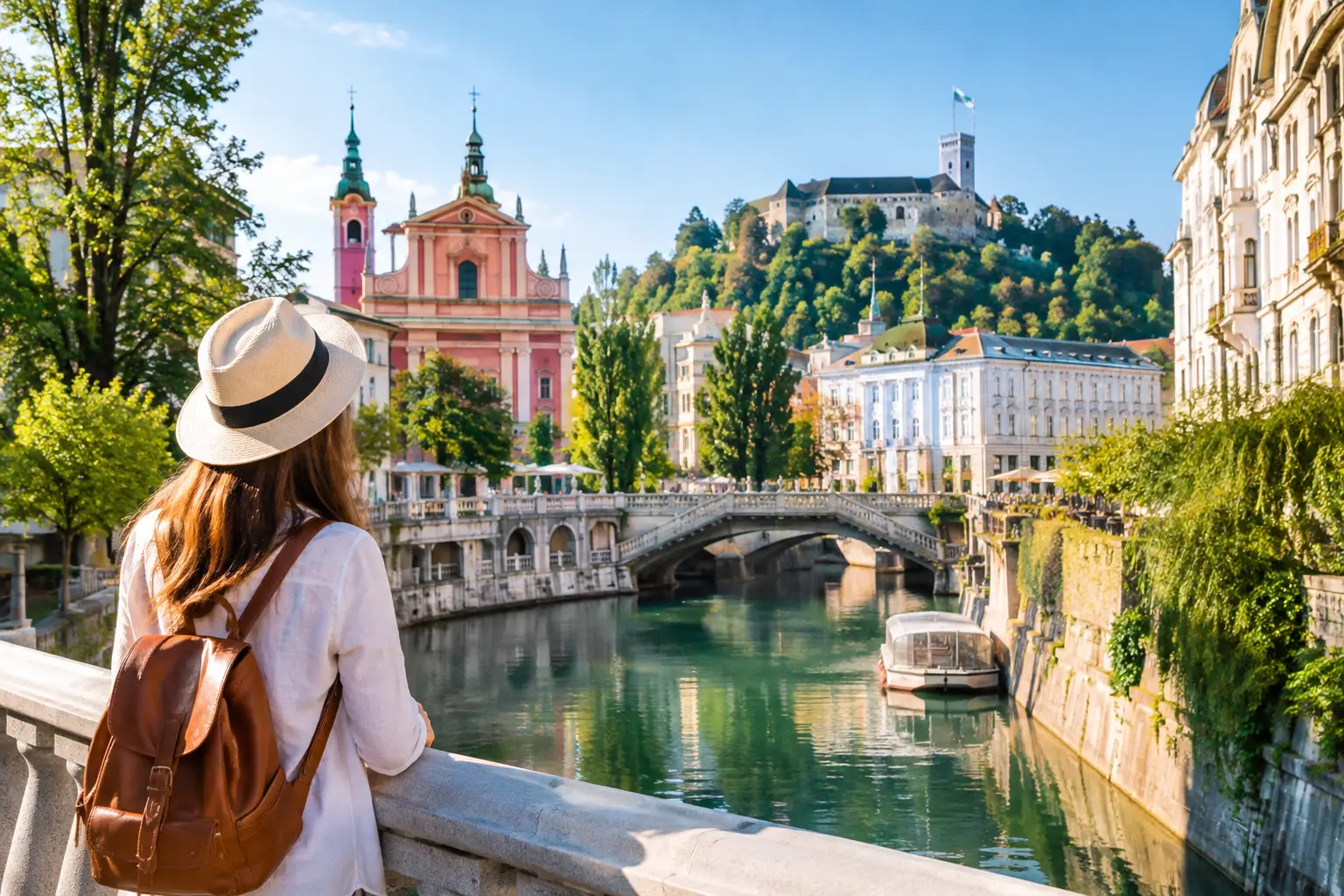
Ljubljana is small enough to feel welcoming on your first walk through the center, yet full enough to reward travelers who slow down. This cultural itinerary example is designed for three memorable days that pair famous sights with the moments that make Slovenia feel personal: market conversations, castle views, traditional flavors, local stories, and an evening of music, dancing, and laughter.
Why Ljubljana Works for a Cultural Trip
A great cultural itinerary should not feel like a race between monuments. Ljubljana is particularly suited to travelers who want a real sense of place without spending hours in transit. The historic center is walkable, the river gives the city a natural rhythm, and many of the best experiences sit within easy reach of one another.
The key is balance. Plan one or two meaningful attractions each day, leave room for a long coffee or a riverside meal, and choose at least one experience where local traditions are actively shared rather than simply displayed behind glass. You will see more than architecture this way. You will taste, hear, and join in Slovenia’s living culture.
Day One: Meet Ljubljana Through Its Streets and Flavors
Begin in the old town, where Ljubljana’s daily life unfolds around the Ljubljanica River. Start at Prešeren Square, look up at the salmon-pink Franciscan Church, and cross the Triple Bridge toward the market area. This is an ideal first introduction because it combines the grand and the everyday: elegant buildings, cyclists heading to work, flower stalls, fresh produce, and the friendly bustle of locals buying lunch.
Make time for the Central Market and its open-air stalls. Depending on the season, you may find cherries, mushrooms, honey, farmhouse cheeses, cured meats, and pumpkin seed oil. Even if you are not shopping for a full picnic, this is a wonderful place to notice the ingredients that shape Slovenian cooking. Ask a vendor what is in season. A short exchange can be more memorable than another photo stop.
After lunch, follow the river toward Dragon Bridge. The dragons are among Ljubljana’s best-known symbols, but the bridge is more than a quick picture opportunity. It is a fine example of the city’s Art Nouveau character and a reminder that Ljubljana often reveals its history in small, handsome details.
In the afternoon, choose a museum based on your curiosity. The National Museum is a strong choice for an overview of Slovenia’s long history, from prehistoric finds to more recent eras. The Museum of Modern Art suits visitors drawn to 20th-century creativity and the former Yugoslav cultural landscape. Families and architecture lovers may prefer simply wandering the city center and noticing the work of Jože Plečnik, the visionary architect who gave Ljubljana many of its distinctive public spaces.
As evening arrives, sit beside the river for dinner or a glass of Slovenian wine. Do not overplan your first night. The goal is to settle into the city’s easy pace and save some energy for the days ahead.
Day Two: Castle Views, Plečnik’s Ljubljana, and Folk Celebration
Start the morning at Ljubljana Castle. You can walk uphill through the trees or take the funicular from the old town. The castle has changed roles many times over the centuries, and its hilltop position makes clear why it mattered. From the tower, you can see the red roofs of the center, the green hills around the city, and, on a clear day, the distant Alps.
Come down slowly through the old town rather than treating the castle as an isolated attraction. Stop at the Cathedral, the Town Hall, and the fountain in Mestni trg. Look for the carved doors and painted facades that give the streets their character. Ljubljana is not a city that demands you hurry. Its charm is often found in the space between planned stops.
For lunch, try a traditional dish or a modern interpretation of Slovenian ingredients. Hearty stews, buckwheat, dumplings, seasonal vegetables, and locally produced cheeses all have a place on the table. Slovenia’s regions are remarkably varied for a small country, so a menu can tell a bigger story than the city alone.
In the afternoon, explore the work of Plečnik more closely. His National and University Library exterior, the riverside market colonnade, and the refined public spaces around the center show how architecture can shape the way a city feels. Plečnik did not simply design buildings. He created places for people to gather, walk, trade, and celebrate.
Make Your Evening the Cultural Centerpiece
Your second evening is the right time for an organized cultural experience. Rather than trying to fit dinner, folk music, regional dance, and local storytelling into separate reservations, choose a program that brings them together around one welcoming table.
At Traditional Slovenian Evening, guests are welcomed with homemade schnapps and dried fruit before enjoying a three-course Slovenian meal with wine. Live musicians and costumed performers bring folk traditions to life through songs, regional dances, stories, and playful games. This is not a quiet, formal recital. Guests are invited to clap, laugh, learn a few steps, and share the room with fellow travelers from around the world.
That participation matters. A museum can explain a costume, but music and movement make you feel why traditions were carried from one generation to the next. It is also an easy choice for couples, families, friend groups, and organized tours because dinner and entertainment are already thoughtfully arranged. You leave with a fuller belly, new memories, and a small gift to take home.
Day Three: Choose the Slovenia You Want to Know Better
The final day of this cultural itinerary example should reflect your interests. Ljubljana offers enough variety that there is no single correct plan. If you love art, spend the morning with the city’s galleries and creative neighborhoods. If history holds your attention, seek out exhibitions that explore Slovenia’s independence, its Roman past, or the complex stories of Central Europe and the Balkans.
Travelers interested in local design should visit the riverside shops and studios around the center. Slovenia has a strong tradition of craftsmanship, and you may find handmade ceramics, textiles, illustrations, and pantry gifts that feel far more meaningful than generic souvenirs. Buy thoughtfully. A small jar of local honey or a hand-painted item often carries a better story home than something mass-produced.
For a calmer afternoon, walk in Tivoli Park. Its broad paths and green spaces offer a gentle change from city streets, while the park’s galleries and occasional outdoor exhibitions keep the cultural thread going. Alternatively, take a short trip to nearby Šmarna Gora if you want a local favorite that adds fresh air and wide views to your final day.
End your visit with one more meal in the center. Order something you did not try on the first two days, perhaps a regional wine, a seasonal dessert, or a dish built around ingredients from the Karst, Alpine, Pannonian, or Mediterranean-influenced parts of Slovenia. The country’s food culture is diverse, and Ljubljana is an inviting place to sample it.
How to Adapt This Ljubljana Cultural Itinerary
Three days is ideal for a relaxed first visit, but the plan is flexible. With only one day in Ljubljana, focus on the market, old town, castle, and a traditional dinner show in the evening. With four or five days, add day trips to Lake Bled, the Postojna Cave area, coastal Piran, or the wine country, depending on the season and your travel style.
Group organizers may want to build the itinerary around a fixed evening program, especially when coordinating different ages and interests. A shared meal with entertainment creates a reliable gathering point after a day of sightseeing. Independent travelers have more freedom to follow spontaneous discoveries, but reserving a standout evening experience in advance can prevent the familiar question of what to do after the museums close.
The best cultural travel leaves a little room for surprise. Keep this plan as your starting point, then follow the sound of music from a riverside square, accept a food recommendation, linger over a view, and let Ljubljana welcome you in its own cheerful way.