
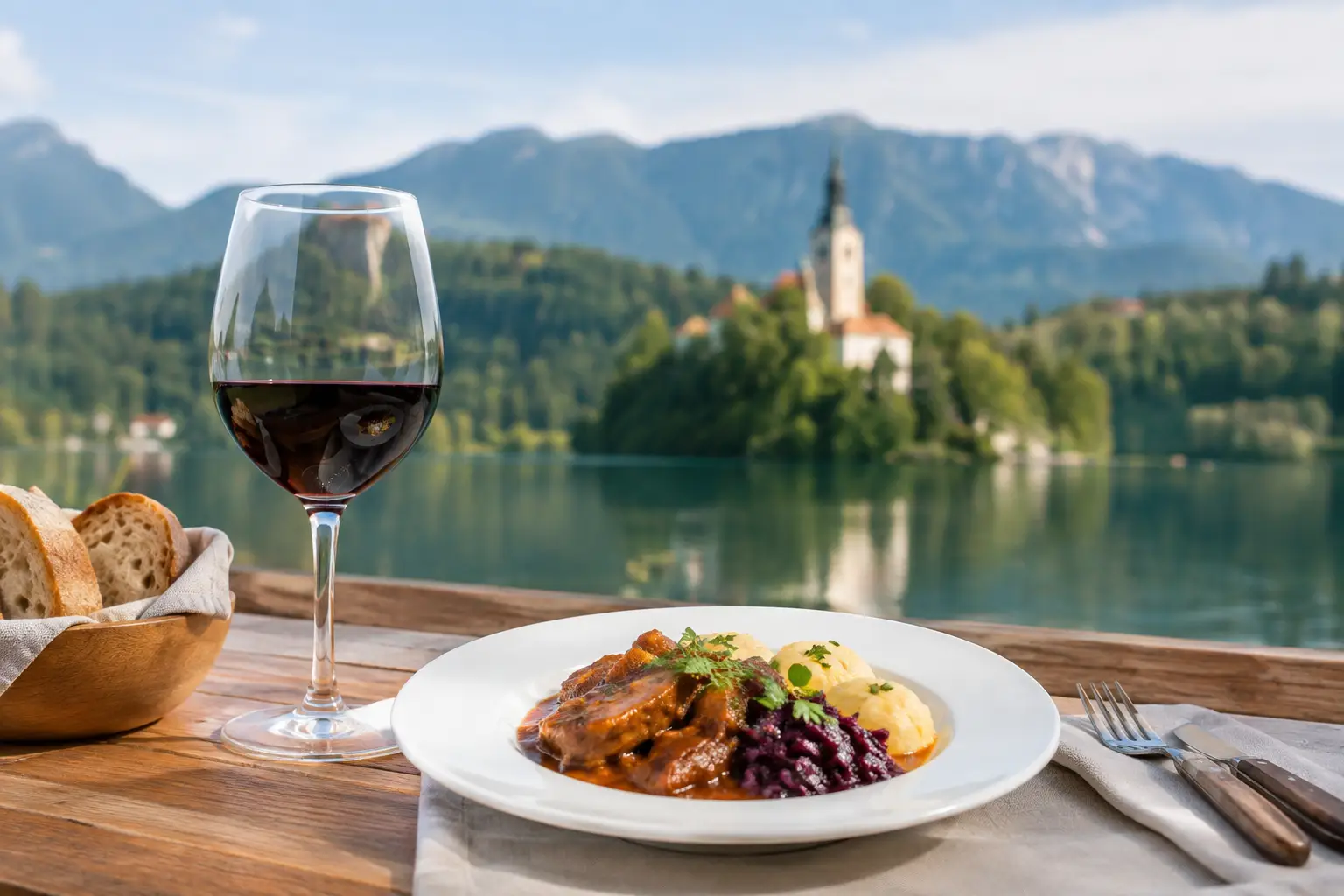
A Slovenian table is rarely only about what is on the plate. It is about welcome, conversation, a toast raised among new friends, and the pleasure of lingering over a meal. So, does traditional dinner include wine? Often, yes – but the more interesting answer is that wine has a place in Slovenian hospitality when it complements the food, the company, and the occasion.
For visitors, that means a traditional dinner can be much more memorable than a restaurant reservation with a bottle placed on the table. In Slovenia, regional dishes, local wines, homemade spirits, music, and stories can all become part of one joyful evening. Here is what to expect, whether you are joining a family-style meal, visiting a local restaurant, or booking a folklore dinner experience in Ljubljana.
Does Traditional Dinner Include Wine? It Depends on the Occasion
Wine is deeply connected to Slovenian food culture, but there is no single rule that every traditional dinner must follow. A casual weekday supper at home may include water, juice, or no alcohol at all. A Sunday gathering, celebration, harvest-time meal, wedding, or dinner for guests is more likely to feature wine as part of the hospitality.
That difference matters. Slovenian tradition is not about drinking wine simply because it is expected. It is about sharing what the household, region, or host has to offer. A glass can signal welcome and appreciation for the meal. It can also start a conversation about where the grapes were grown, which nearby hills produced the wine, or why it suits a particular dish.
For international guests, the relaxed approach is reassuring: you do not need wine knowledge to enjoy a traditional Slovenian dinner. You can accept a small pour, ask a question, toast with water, or choose not to drink. The warmest hosts make room for everyone at the table.
Why Wine Belongs Naturally on a Slovenian Table
Slovenia may be a small country, but its wine landscape is wonderfully varied. Vineyards stretch across several distinct wine-growing areas, shaped by Alpine air, Mediterranean influence, and the rolling hills of the northeast and southeast. That variety appears at dinner in both white and red wines, from crisp, refreshing pours to richer bottles made for hearty dishes.
Wine makes sense alongside the foods travelers often hope to try. A fresh local white can lift a plate of trout, cheese, or lighter seasonal dishes. A red may feel right with roasted meat, sausage, game, or slow-cooked stews. Yet pairing is not a strict ceremony. Slovenian hospitality is more generous than fussy. The aim is to enjoy good food and a good glass in good company.
You may also notice that wine is served in a way that feels social rather than formal. The host may introduce it, invite a toast, or encourage guests to share their impressions. There is no pressure to identify every aroma in the glass. Curiosity, laughter, and a willingness to join the moment count for far more.
A Toast Is Part of the Welcome
A toast is one of the easiest ways for a visitor to feel included. The Slovenian word for “cheers” is “Na zdravje!” It is used with warmth and energy, especially when a table is full and the evening is underway.
If you are offered a toast, simply raise your glass, make eye contact with those around you, and say the words along with the group. You do not need to make a speech. This small ritual turns strangers at neighboring tables into fellow guests sharing the same celebration.
Wine Is Not the Only Traditional Drink
A traditional Slovenian evening may begin or end with something stronger: homemade schnapps, often served with dried fruit. This welcome ritual has a different character from wine. It is a small, spirited gesture of hospitality, usually enjoyed slowly and in moderation.
Like wine, schnapps is not mandatory. Some guests prefer a nonalcoholic drink, while others may wish to taste only a tiny amount. A thoughtful cultural dinner experience should make that choice easy and comfortable. The tradition is the welcome itself, not the expectation that everyone drinks the same thing.
For families and multigenerational groups, this is especially useful to know. Children and non-drinkers can still take part in the toast, the music, the dancing, and every cheerful moment around the table. Slovenian hospitality is about inclusion, not exclusion.
What a Traditional Slovenian Dinner Feels Like
The best traditional dinners have a rhythm. Food arrives in courses. Wine is poured when it suits the meal. Conversation grows louder as people relax. Then music begins, dancers take the floor, and guests may be invited to join a game or learn a few lively steps.
This is why a true cultural dinner is so different from simply ordering Slovenian food. You might taste regional flavors at a restaurant, but a full evening brings the customs around the meal to life. You hear folk melodies, see costumes, learn a phrase or two, and discover that Slovenian traditions are meant to be experienced with other people, not observed from a distance.
At Traditional Slovenian Evening, wine is included as part of a three-course meal, alongside homemade schnapps with dried fruit, live folk music, regional dances, stories, participatory games, and a guest gift. It is designed for visitors who want one easy, festive night that brings together the flavors and spirit of Slovenia.
Expect Regional Flavor, Not One Fixed Menu
Slovenian cuisine changes from region to region, so the wine and food you encounter may vary too. Alpine influences bring filling, comforting dishes. The coast offers Mediterranean notes. Eastern and central regions contribute their own specialties, from breads and dumplings to meats, vegetables, cheeses, and sweets.
That regional diversity is part of the pleasure. Rather than searching for one official Slovenian dinner, think of the meal as an introduction to a country with many local identities. Wine helps tell that story, but it is only one element. The meal, the people, and the traditions around it matter just as much.
How to Enjoy Wine at a Traditional Dinner
Start with an open mind, not a checklist. If a host explains the wine, listen for the region or grape variety, then take a sip with the dish in front of you. Notice whether the wine feels refreshing, fruity, earthy, or rich. There is no wrong answer, and you never need expert vocabulary.
Pace yourself, especially if the evening includes a welcome schnapps and several courses. Eat first, drink water throughout the meal, and remember that the goal is to enjoy the full program – including the songs, games, and dancing that may follow dinner.
If you do not drink alcohol, say so simply. A quality host will offer an alternative and keep you fully involved in the celebrations. Raise whatever is in your glass for “Na zdravje!” and enjoy the same shared moment.
For travelers planning one special night in Ljubljana, a dinner with wine can be a delightful introduction to Slovenia – not because a glass is required, but because it opens the door to the stories, flavors, and friendly rituals gathered around the table. Come hungry, bring your curiosity, and leave a little room for dancing.